3 days ago
Fall in Yellowstone - Autumn in the Rockies
Plan your fall visit to Yellowstone. Witness the dramatic elk rut, see Yellowstone's fall foliage, and experience the park with fewer crowds. Book a tour today!
Read More
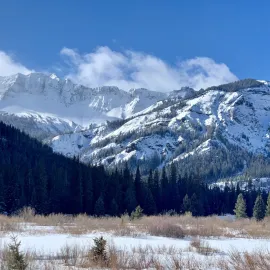
Nights are getting longer, days are shortening, and soon fall will be in the air. Here in Yellowstone Country, at 45 degrees north, we have real seasons. As snow dusts the high peaks of the Absaroka and Gallatin ranges, frost sparkles on the dying grasses and flowers of summer. Aspen leaves turn gold and begin to fall, trees shutting down in preparation for a long winter. And the bull elk begin to bugle.
Yellowstone Park’s autumn season is not to be missed. See what is happening this fall in Yellowstone!
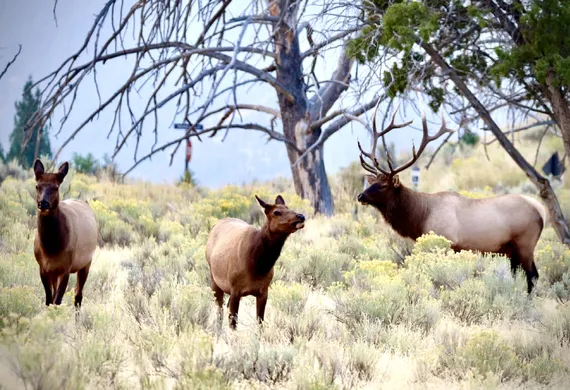
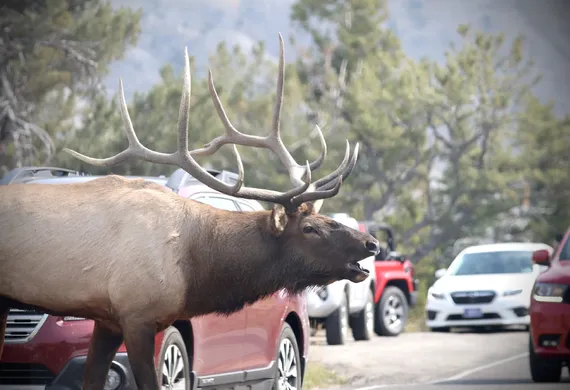
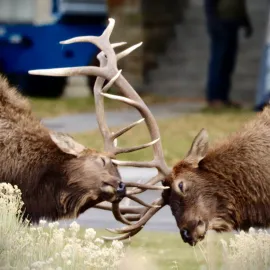
This is the time of year for the elk rut. Rut is another name for the breeding season of various animals. For Yellowstone’s elk – also known as wapiti – the rut runs through most of September and October. There is nothing like the elk rut for sheer display and drama. Bull elk bugle all day and night, their whistling, grunting challenges echoing off the mountainsides and ringing through the still, cold air. Bulls seek to gather up a harem of cow elk with their calves and wear themselves out trying to maintain exclusive breeding rights with their females. And they must fight for it.
A fight between two rival bulls is a sight for the ages, as they lock antlers and push each other around, trying to prove dominance. Their breath billows in clouds above them and their antlers clack and rattle together. Once a victor is decided, he will often pose and emit his loudest bugle in triumph. Cow elk watch from the margins, seemingly unconcerned. Calves squeal for their mothers, still needy and vulnerable.
The best location to witness the elk rut up close is, perhaps surprisingly, right in the town of Mammoth Hot Springs. Cow elk gather here all summer and fall, and the bull elk, aloof for much of the year in bachelor herds, suddenly arrive like a Wild West posse. They chase cow elk, fight, bugle, pee on themselves, and even mate right in the middle of town. Of course, the elk are also dangerous at this time, and you must keep your distance. The park rangers are driven to distraction trying to keep elk and people apart. Bulls will even attack parked and moving cars, and may do considerable damage, so get that extra insurance on your rental car.
You can witness the elk rut elsewhere also, usually at a longer distance, in wildlife hotspots like Lamar Valley, Slough Creek, Hayden Valley, near Canyon Village and along the Gibbon River at Gibbon Meadows or Elk Park. Also watch for them along the Madison River on the West Entrance road, and near the north entrance at Gardiner.
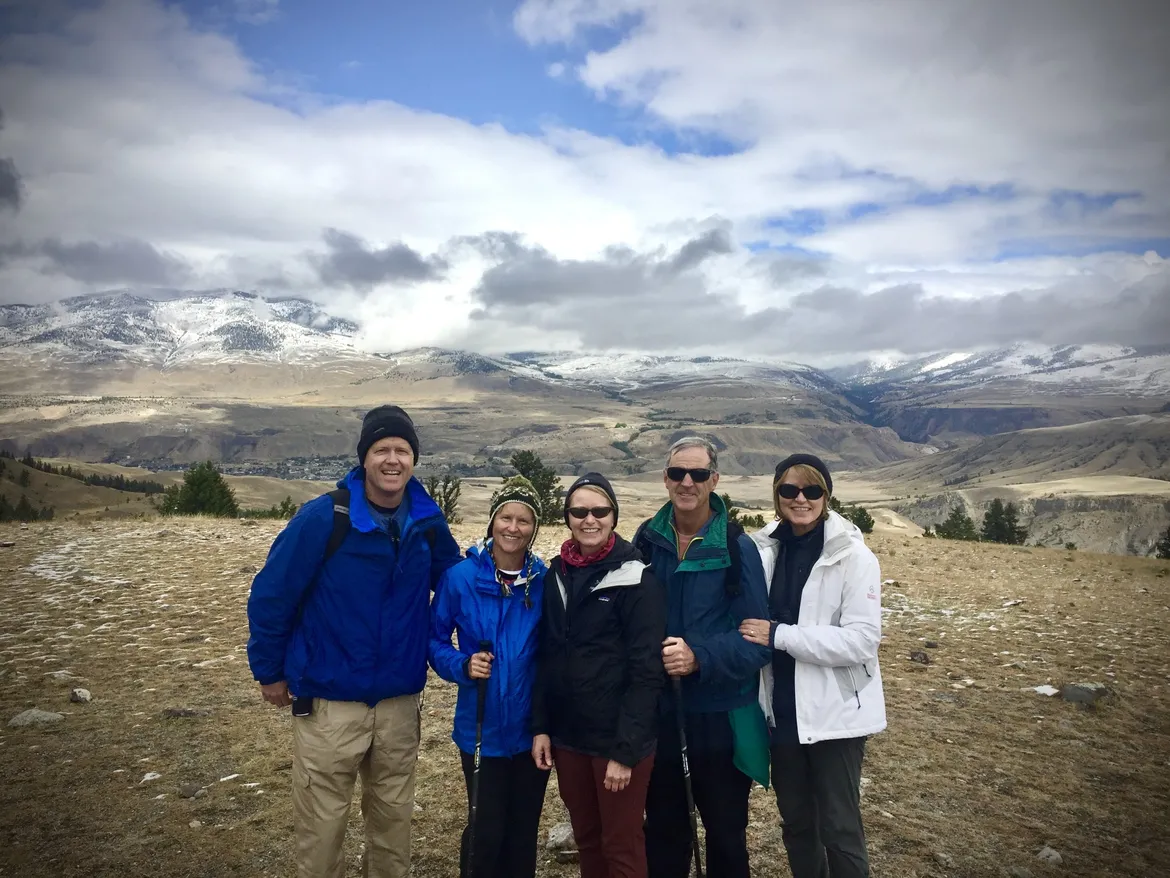
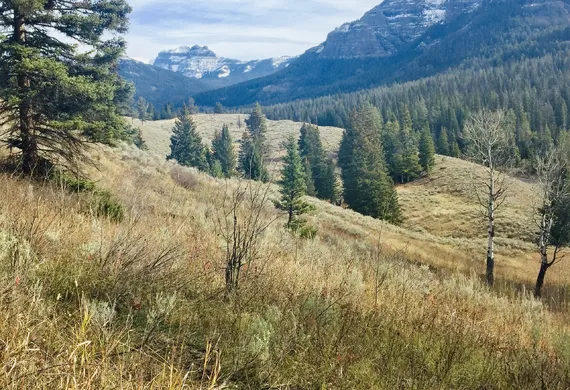
Yellowstone isn’t generally known for its seasonal fall foliage, but it still puts on a respectable show. Aspen and Cottonwood Trees of the park are on full display in the fall. Late September through October gives you a chance to see the magnificent shades of orange and gold, mixed perfectly with the park’s evergreens. The northern range of the park has the most aspen and cottonwood trees. Mammoth Hot Springs, the Blacktrail Plateau, and the Crystal Creek area. With any luck, a splash of snow will add another touch of color to the cool autumn season.
Book A Guided Tour of Yellowstone
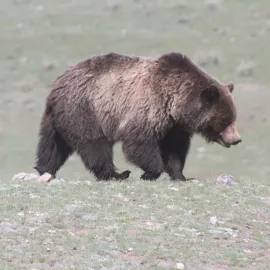
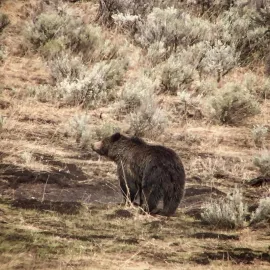
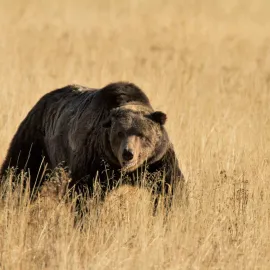
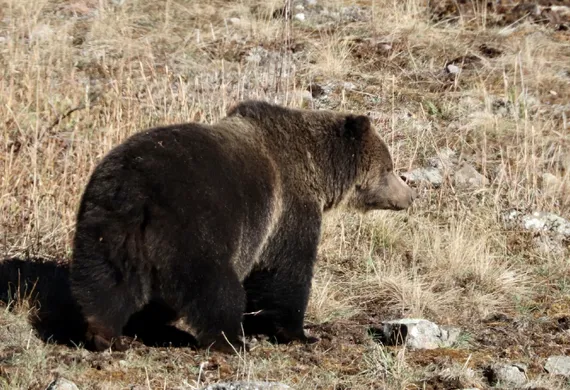
Elk are not the only animals in a frenzy. Bears are in the depths of hyperphagia, pigging out on as many calories as possible to build up fat reserves to survive the winter’s four-month hibernation. They seek out carcasses to feast on since elk calves are too big and fast to catch. Larger male bears will steal kills from wolf packs, creating some major drama for wildlife watchers. Bears also seek calorie-rich pine nuts at higher elevations like Dunraven Pass, and dig up meadows searching for pocket gophers, caraway and biscuit roots.
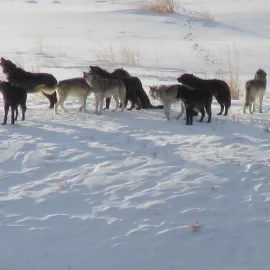
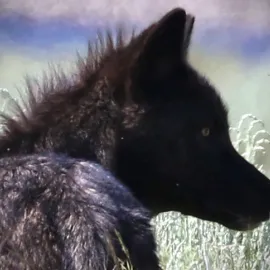
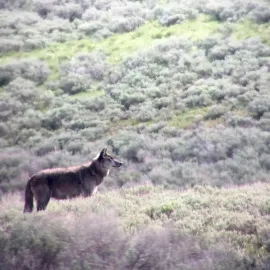
Wolves at this time are long gone from their den sites as the pups (born in April) are nearly grown and can travel long distances. The long-legged pups are learning to hunt with the pack and can often be seen testing bison herds or running fruitlessly after fleeing elk. Wolves cover a lot of territory, so it’s harder to predict where you will find them, thus more rewarding when you do. The Lamar Valley and Blacktrail Plateau should be a good place to see wolves this fall in Yellowstone.
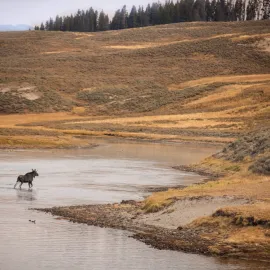
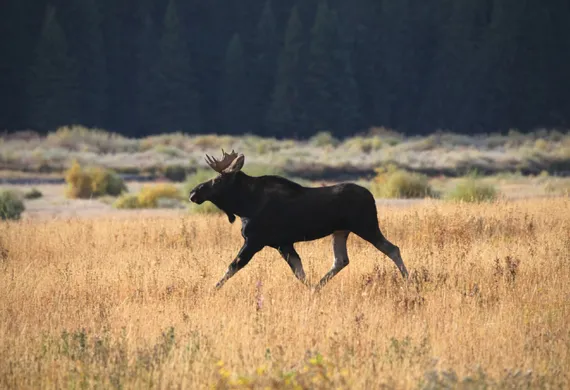
Moose are also in their breeding season in the fall, though they are much more elusive. But bulls will also fight over females and make some grunting calls to lure in the cows. Pronghorn are also very active with the rut and are entertaining with their amazingly fast chases between the males as they show off for their harems.
Book A Tour
Expect big swings in the temps and weather. Early September can still feel like summer, but temperatures drop quickly as the season progresses, and an early snowfall is always possible in the park. It’s always important to layer up. Mornings and evenings can be near freezing while afternoons stay mild, so dress in layers.
Some services wind down. Many in-park lodges, campgrounds, and services close or reduce hours through October and into November, so book early and check with current park alerts before you go. Not all services will be open. Road closures can occur in higher-elevation areas at a moment's notice due to inclement weather.
Dunraven Pass or the road between Tower Junction and Canyon is scheduled to close on October 12th. This road is the highest in the park and subject to fall weather closures. Be prepared and always check conditions.
All the other park roads are scheduled to close on October 31, 2026.
The road between the north entrance in Gardiner, MT, and the northeast entrance near Cooke City, Montana, remains open year-round. This is the route to the Lamar Valley and Yellowstone’s prime animal activity. Yellowstone Guidelines runs year-round wolf and wildlife watching tours in this area of the park.
Here is an important park link…https://www.nps.gov/yell/planyourvisit/parkroads.htm
Fall in Yellowstone delivers a rare mix of solitude and spectacle: fewer crowds, golden valleys, and some of the most dramatic wildlife watching found anywhere in North America! Make your plans now to visit Yellowstone at this special time. Yellowstone Guidelines can arrange a private guided tour for you to experience Yellowstone’s fall magic.
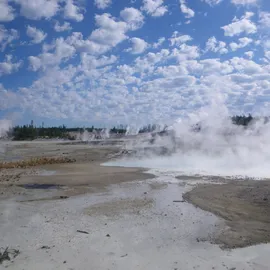
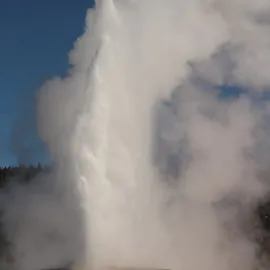
Yellowstone Guidelines offers all of our 2026 Tours up to the road closure dates. Our popular excursion options include the “Yellowstone In A Day” tour and the Geyser Geology Tour to Old Faithful and Grand Prismatic Springs. Our Lamar Valley Wildlife Tour is offered year-round out of the north entrance by Gardiner, MT.
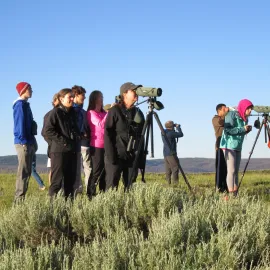
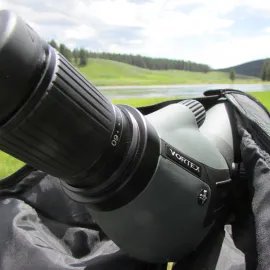
A private fall tour is the best way to experience Yellowstone! Your local guide will know where and when to spot the wildlife, will do all the driving, and provide spotting scopes, binoculars, bear spray, lunch, drinks, and lots of insider knowledge.
Hope to see you in the park!
BOOK A FALL YELLOWSTONE TOUR TODAY
Blog post by Phil Knight and Chris Hondorf. Phil Knight is a Bozeman local, author, outdoor enthusiast, and guide for Yellowstone Guidelines. Phil has been a guide in the Yellowstone area for over 30 years! Chris is the owner of Yellowstone Guidelines and a long-time Yellowstone advocate and guide. For tours and adventures in Yellowstone with Phil, contact us at 406-599-2960 or tours@yellowstoneguidelines.com